
Content Optimization: The Key to Creating Content That Connects and Converts
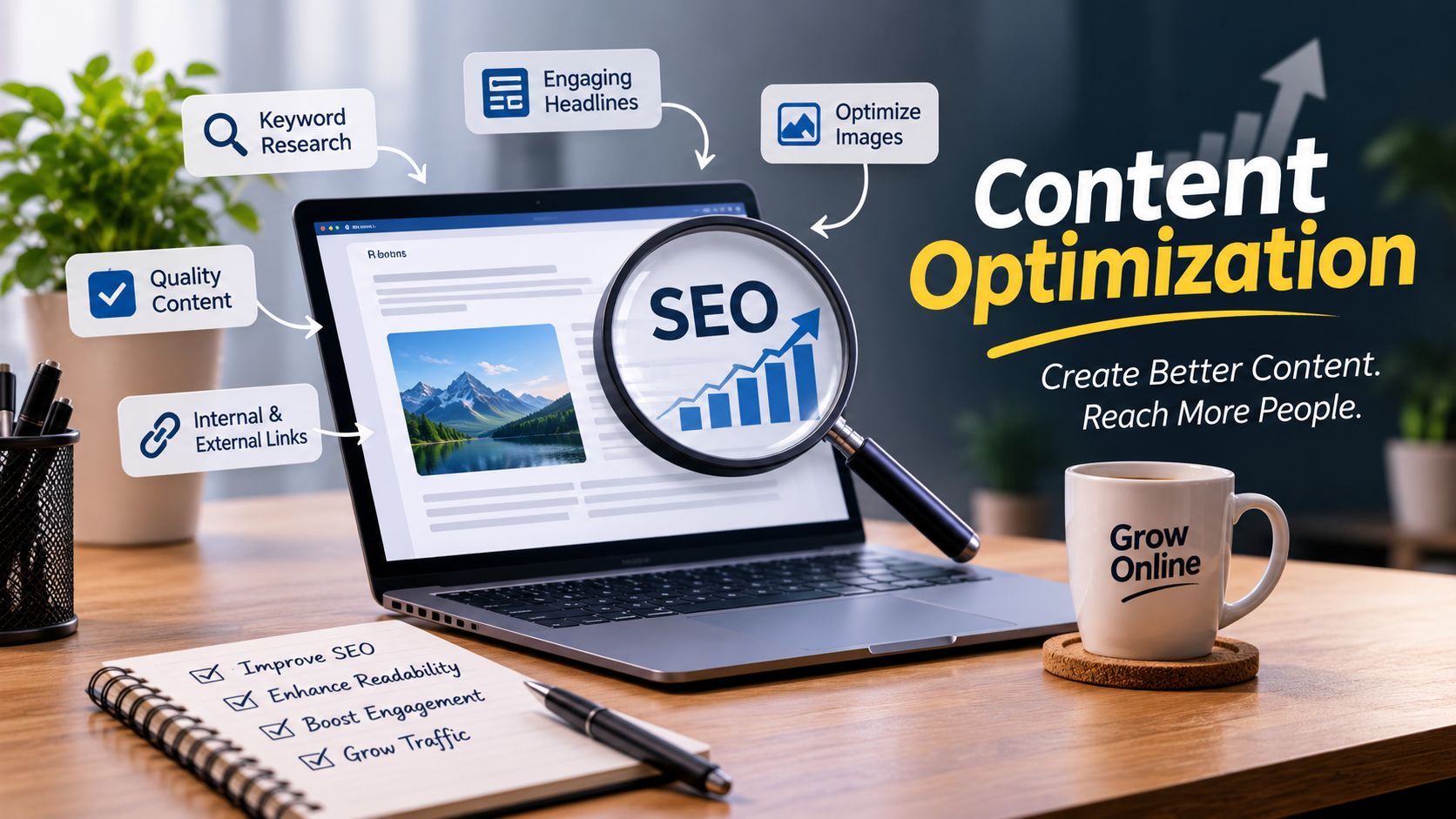
In today’s digital world, creating content is easy, but creating content that reaches the right audience and delivers results is what really matters. Every day, millions of blogs, social media posts, videos, and websites are published online. With so much content available, how can a brand make its content stand out? The answer is Content Optimization.
What Is Content Optimization?
Content optimization is the process of improving website content to make it more useful for readers and easier for search engines to understand. It involves working on different elements such as keywords, headings, images, readability, internal links, and overall content quality.
For example, imagine someone searching on Google for “best digital marketing tips for beginners.” If your blog covers this topic with useful information, clear headings, relevant keywords, and easy-to-understand language, it has a better chance of appearing in search results.
The main goal is simple: give your audience the information they are looking for in the best possible way.
Why Is Content Optimization Important?
article, people may not find it if it is not properly optimized.
Here are some important reasons why content optimization matters:
1. Improves Search Engine Visibility
Optimized content helps search engines understand your website and its topics. Using relevant keywords naturally, creating meaningful headings, and providing useful information can improve your chances of appearing in search results.
2. Attracts the Right Audience
Not every website visitor is a potential customer. Content optimization helps you target people who are genuinely interested in your products, services, or information.
3. Improves User Experience
People prefer content that is simple, organized, and easy to read. Proper formatting, short paragraphs, images, and clear headings make it easier for visitors to find what they need.
4. Builds Trust and Credibility
When a website consistently provides helpful and accurate information, visitors are more likely to trust the brand. Quality content can turn first-time visitors into regular readers and potential customers.
5. Supports Business Growth
Well-optimized content can attract organic traffic, generate leads, and encourage people to take action, whether that means contacting a business, subscribing to a newsletter, or purchasing a product
The Main Types of Digital Marketing Services in India
Before you hire anyone, it helps to know what you’re actually shopping for. “Digital marketing” isn’t one service — it’s a bundle of very different skills, and most businesses only need two or three of these, not all of them.
Search Engine Optimisation (SEO) — Getting your website to show up organically when people search on Google. Slower to work, but compounds over time and doesn’t stop the moment you stop paying.
Pay-Per-Click Advertising (Google Ads, Meta Ads) — Paid placement that gets you visibility immediately. Effective for fast leads, but results stop the day the budget stops.
Social Media Marketing — Building a following and community on Instagram, Facebook, LinkedIn, or YouTube. Best for brand trust and repeat customers, not usually a fast-lead generator on its own.
Content Marketing — Blogs, videos, and guides (like this one) that answer real questions your customers are already searching. Builds long-term authority and feeds your SEO.
Email & WhatsApp Marketing — Often the highest ROI channel nobody talks about. Cheap, direct, and great for repeat sales from existing customers.
Local SEO / Google Business Profile Optimisation — Critical for shops, clinics, restaurants, and service businesses that depend on nearby customers finding them.
Influencer Marketing — Partnering with creators to reach their audience. Works well for consumer products; overkill for most B2B or local service businesses.
A good digital marketer won’t sell you all seven. They’ll tell you which two or three actually matter for where your business is right now.
Important Elements of Content Optimization
To create effective content, you need to focus on several important elements.
1. Keyword Research
Keyword research is the foundation of SEO content optimization. It helps you understand what people are searching for online.
For example, if you run a digital marketing agency, relevant keywords might include “digital marketing services,” “SEO services,” and “social media marketing.”
Choose keywords based on search intent and relevance. Avoid adding too many keywords just to improve rankings. They should fit naturally into your content.
2. Create Engaging Headlines
Your headline is often the first thing people notice. A good headline should clearly explain what the content offers and encourage people to read further.
For example, instead of writing “SEO Tips,” you could use “10 Simple SEO Tips to Improve Your Website Ranking.”
A clear and interesting headline can make a big difference in attracting readers.
3. Write High-Quality Content
Content should always provide value to the reader. Before writing, understand your audience, their problems, and the information they need.
Use simple language, explain ideas clearly, and include practical examples whenever possible. Avoid writing only to fill space or repeat the same keywords.
4. Optimize Headings and Structure
Organize your content using proper headings such as H1, H2, and H3. This creates a clear structure and makes the article easier to read.
Break long paragraphs into smaller sections and use bullet points when necessary. A well-structured blog helps readers quickly find the information they want.
5. Optimize Images
Images make content more attractive and help explain ideas visually. However, large image files can slow down your website.
Use compressed images, descriptive file names, and meaningful alt text. This can improve page performance and help search engines understand your images.
6. Add Internal and External Links
Internal links connect different pages within your website. They help visitors explore related topics and make website navigation easier.
External links connect your content to useful and trustworthy sources. Both types of links can improve the overall value of your content when used naturally.
The Role of SEO in Content Optimization
Search Engine Optimization (SEO) plays an important role in content optimization. SEO helps your website become more visible when people search for information related to your business.
However, SEO is not only about keywords. Search engines also consider content relevance, usefulness, website experience, page speed, mobile-friendliness, and many other factors.
The best approach is to write for people first and optimize for search engines second. When your content genuinely answers users’ questions, it creates a better experience and supports long-term SEO performance.
Common Content Optimization Mistakes to Avoid
Even good marketers sometimes make mistakes when optimizing content. Some common mistakes include:
Keyword stuffing or repeating keywords unnaturally.
Writing content without understanding the target audience.
Using headlines that do not match the actual content.
Publishing copied or low-quality information.
Ignoring mobile users and website loading speed.
Forgetting to update old and outdated content.
Adding unnecessary links that do not help readers.
Avoiding these mistakes helps you create content that feels natural, useful, and trustworthy
How to Measure Content Optimization Results
Content optimization is not a one-time activity. It requires regular monitoring and improvement.
You can use tools like Google Analytics 4 and Google Search Console to understand how your content performs.
Some important metrics to monitor include:
Organic Traffic: How many visitors come from search engines.
Click-Through Rate (CTR): How often people click your page after seeing it in search results.
Average Engagement Time: How much time visitors spend engaging with your website.
Keyword Rankings: How your website performs for targeted search terms.
Conversions: How many visitors complete an important action, such as submitting a form or making a purchase.
These insights help you understand what is working and where improvements are needed.
Final Thoughts
Content optimization is more than a digital marketing technique. It is about understanding people, answering their questions, and delivering information in a way that makes their online experience better.
A successful content strategy does not happen overnight. It takes research, creativity, consistency, and continuous improvement. Whether you are running a business website, managing a blog, or building a personal brand, optimized content can help you reach the right audience and create meaningful connections.
Always remember: Great content attracts attention, but well-optimized content helps turn that attention into results